
Python MVF: Most Valuable Frameworks
Comparing Python frameworks: Django, Flask, and FastAPI
When developing a web application with Python, there is always the debate about which framework to use. In this article, we explore three important frameworks in the Python ecosystem.
Django
One of the primary goals of Django is to make it easy to develop complex database-driven websites. Used by Instagram, National Geographic, Spotify, and Pinterest.
Advantages
Automatically tracks security breaches and enables firewall against SQL injection, CSRF etc. Has URL dispatchers, ORM, relational database, and web templating (MVC). Django REST Framework is fully customizable with built-in API browser and authentication.
Disadvantages
Not recommended for smaller projects. Development may take longer due to complexity. Developers need to navigate a massive codebase for smaller tasks.
Flask
A microframework with no requirement for any particular library. Provides common functionality through third-party libraries.
Advantages
Simple and forgiving. Incredibly flexible — changes at almost any step. Modular code enables distributed applications. More scalable than monolithic apps.
Disadvantages
Limited built-in tools — needs extensions. Uses Modules so more prone to security breaches, no CSRF protection by default (use Flask-WTF). Better for simple/innovative cases than big projects.
FastAPI
A modern, fast, and robust framework for building APIs with Python 3.6+. One of the fastest Python frameworks available.
Advantages
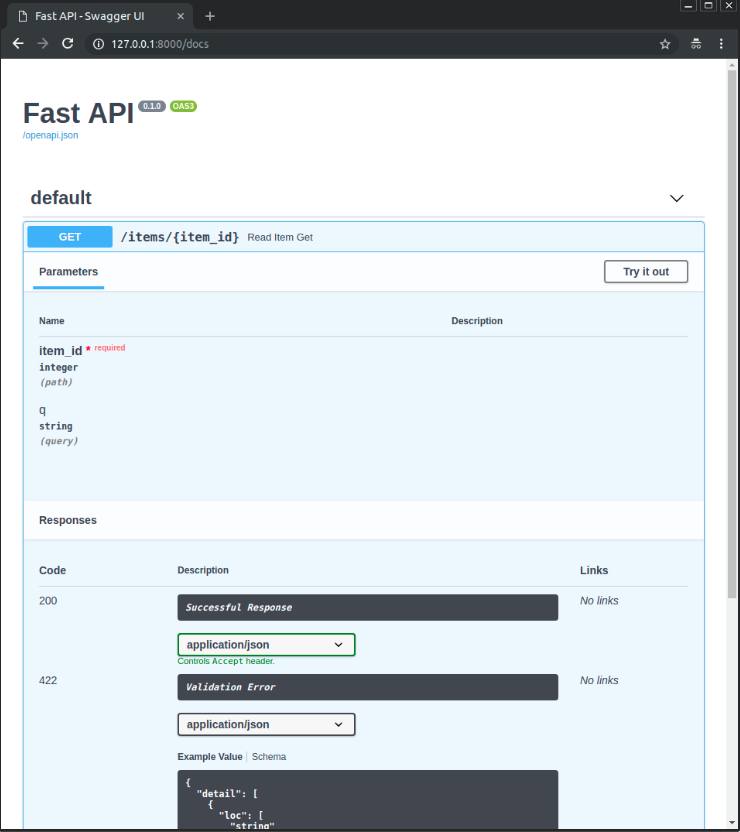
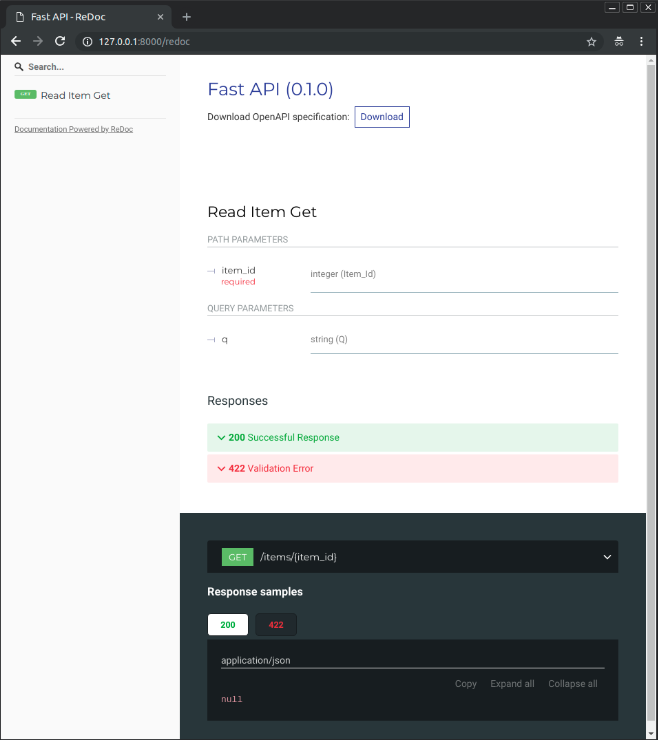
Based on open standards (JSON Schema, Open API, OAuth 2.0). Validates datatypes even in nested JSON. Autocomplete support. Async/await out of the box. GraphQL support via graphene-python. Automatic Swagger UI and ReDoc documentation.
Disadvantages
Main file can become too crowded. Smaller community than Django/Flask, fewer guidelines.
Conclusion
Each framework has great capabilities, strengths, and disadvantages. Analyze each new project's requirements, timeline, and scalability needs. Django is best for big projects that need to scale. Flask is great for smaller, lightweight services. FastAPI is recommended for smaller API-centered projects, especially those supporting OpenAPI. There is no "perfect framework" — everything is relative to the project.