The Beginner's Guide to IoT
The future is IoT
“Smart is a pronoun no longer reserved only for describing people. With new IoT technologies, your refrigerator, water heater, stove and vacuum cleaner can also share this attribute with us, humans.”
What makes these objects smart? Connected to the internet, you can control them remotely via phone, laptop, or tablet. You can program smart devices to activate lights when you enter a room, or turn off heating when a set temperature is reached.
What are some common IoT use cases?
“IoT devices are increasingly popular for personal users, as well as within various industries. This technology offers the possibility of interconnection and machine-to-machine communication, creating a web of devices that helps us manage work and chores easily.”
Smart Home Devices
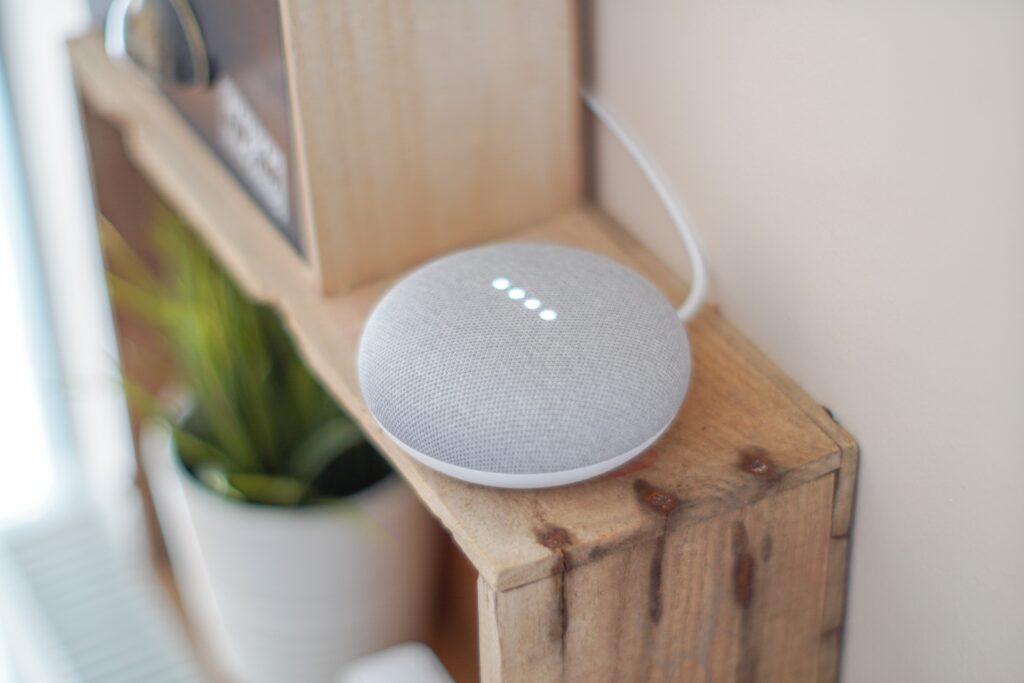
Voice control devices, temperature, lighting, entertainment systems, appliances, alarm systems. Smart homes are in demand with higher resale value.
Healthcare
Medical IoT: fitness bands, blood pressure monitors, glucometers. Health monitoring and positive reinforcement for healthy habits.
Smart City
Environmentally friendly policies, waste management, air quality monitoring, evidence-based local government policies.
Smart Cars
Self-driving cars using sophisticated machine learning algorithms. Already sharing information and improving driving experience.
Smart Warehouses
Increase productivity in Amazon-dominated world. Track all objects, orders, and shipping automatically.
What are pros and cons of IoT?

Machine-to-Machine Communication
Smart stove communicates with A/C, smart lock sends unauthorized access notifications. Important industrial applications increasing productivity.
Big Data Collection
IoT devices gather activity and inventory data to predict customer behavior, stock control, and improve quality of life.
The Future for Urban Living is Smart
Better traffic, electricity, water usage, and air quality information. Communities can contribute to green goals and get rewarded.
Challenges
Privacy issues
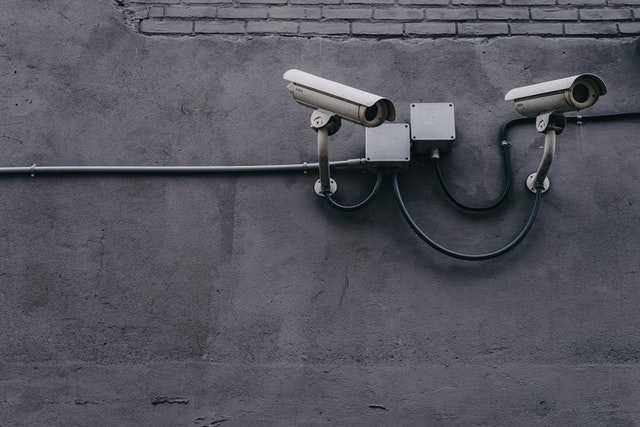
IoT gathers large quantities of data via temperature, pressure, motion, image, proximity, and chemical sensors. Past breaches by Google and Amazon (Alexa, Siri) exposed private conversations and shopping preferences. Who has access to the cloud and how is information processed?
Security issues
Software vulnerabilities and cyberattacks are more dangerous in industry context. Hospital IoT attacks could endanger health. Smart lock hacking could prevent home entry. Smart stove hacking could cause fires.
Conclusion
“Beyond Siri and Alexa, the number of IoT devices is increasing. IDC estimates there will be 41.6 billion IoT devices in 2025, capable of generating 79.4 zettabytes of data. The best question is not only how can we safely process the huge amount of data, but also, who has the authority to do so.”